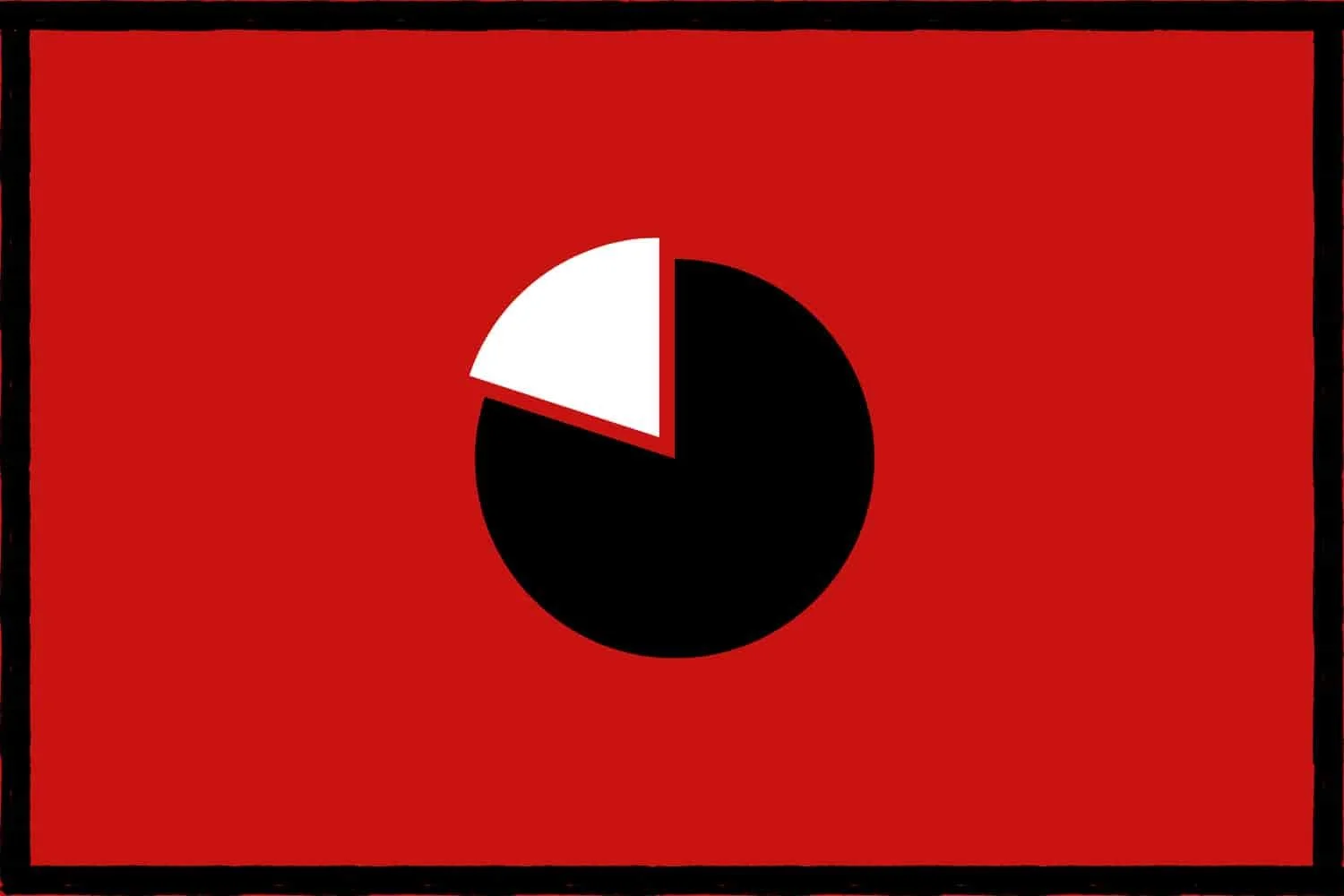
The Pareto Principle recognizes that only a few inputs (about 20%) determine the majority of the outcomes (about 80%). Richard Koch used this simple idea to hack his exam prep and ace his finals when he was at Oxford. I use it to boost traffic on Wealest.com. What will you do with it?
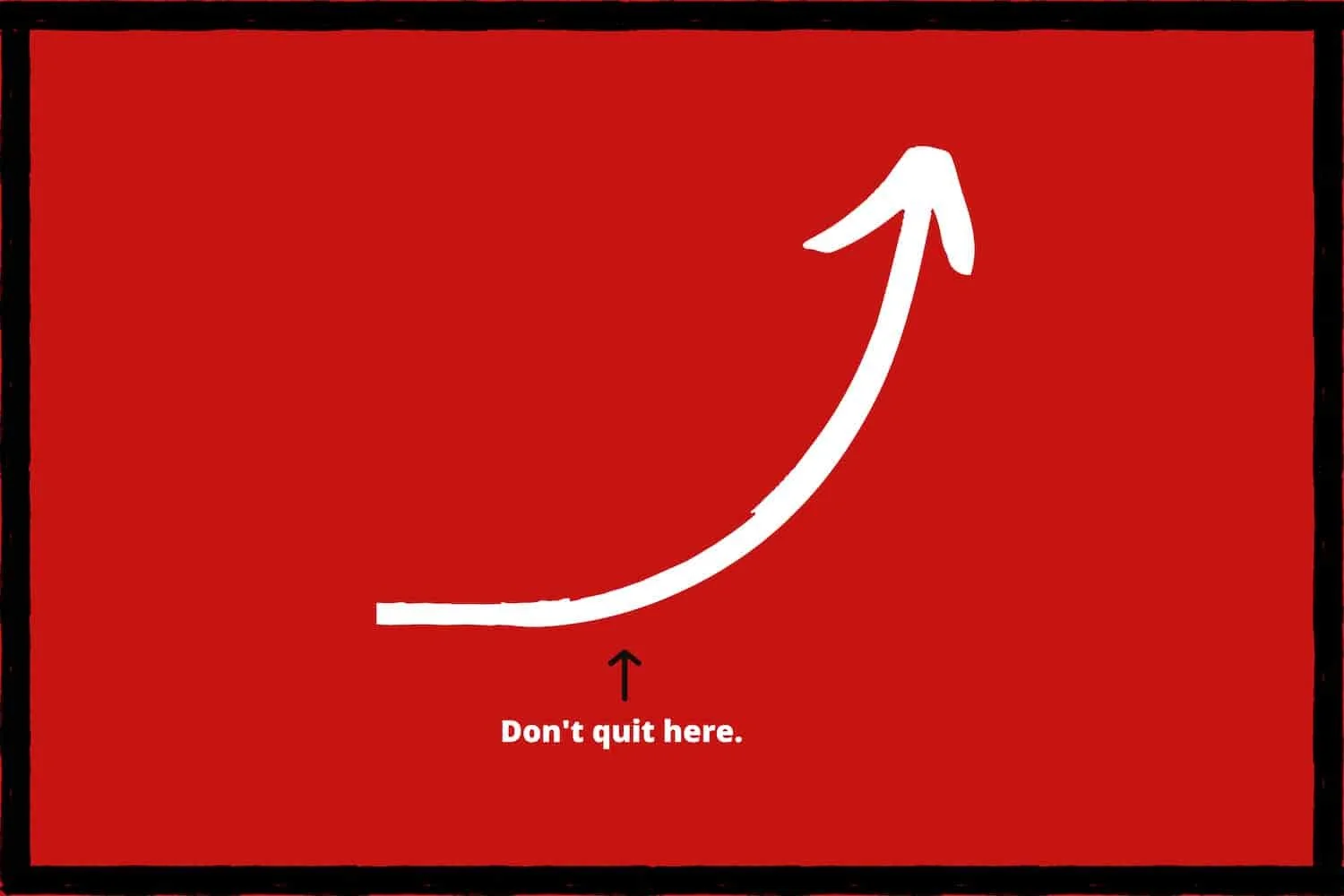
Read MoreAlbert Einstein once called compound interest the most powerful force in the universe. When applied to your finances, compound interest will certainly make you rich. But most people don’t know it can also make you smarter, and more connected with the people you love, and more comfortable in business.
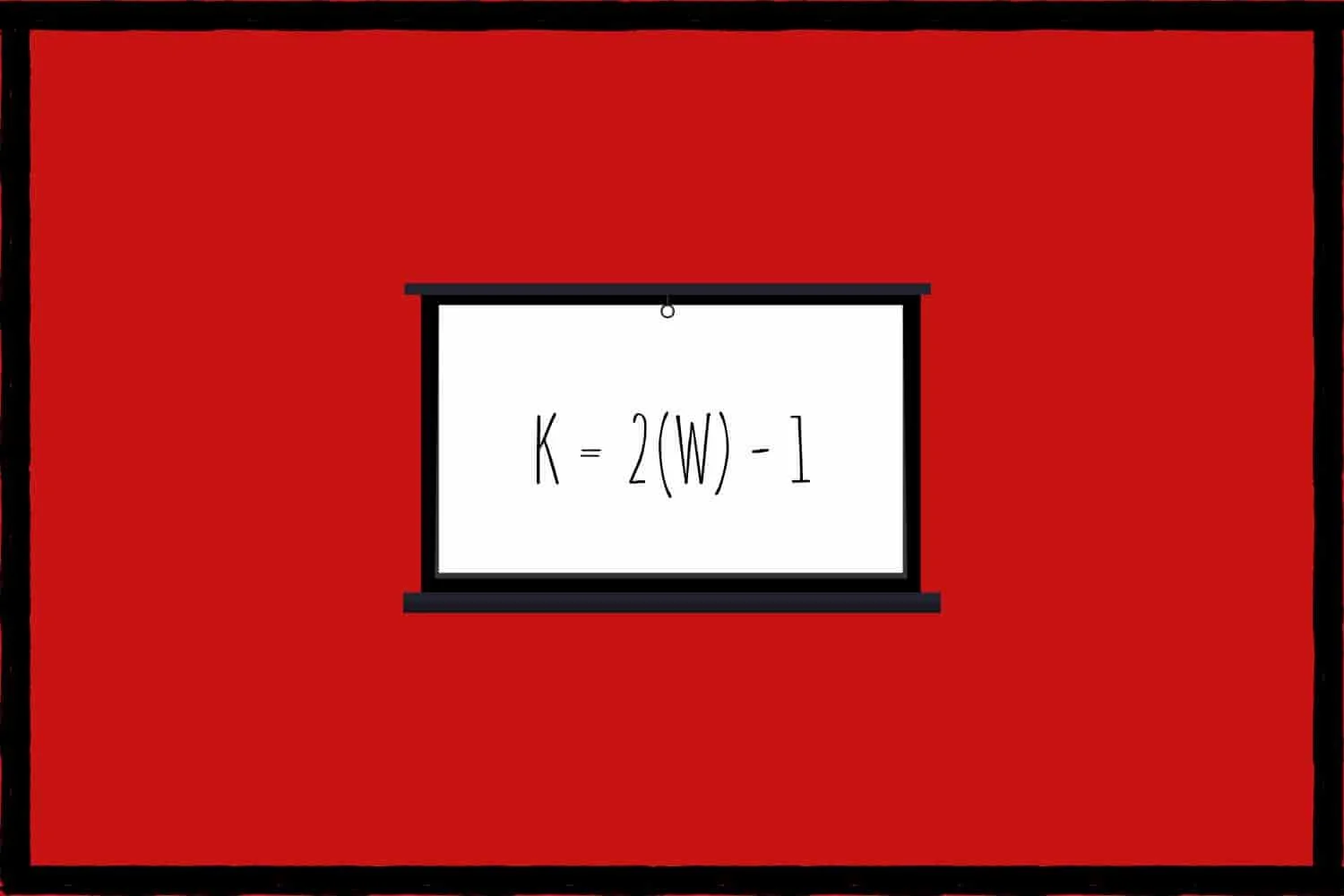
Read MoreNaval Ravikant has a great quote that says what you work on and who you work with is far more important than how hard you work. The extension of this is that you want to work in areas where you have an obvious advantage. Why? To avoid getting wiped out. You want to avoid losing everything and starting again from zero. The Kelly Criterion is a simple mental hook to remind you not to risk everything in one go.
Read MoreTo build wealth, you need to believe you are capable of doing it. This belief isn’t trivial. Only those who are convinced they can create wealth for themselves and their family will do it. You need the right mindset for the long haul. Naval Ravikant has a useful model for this: rational optimism. If you want to create wealth, it will be easier if you become a rational optimist.
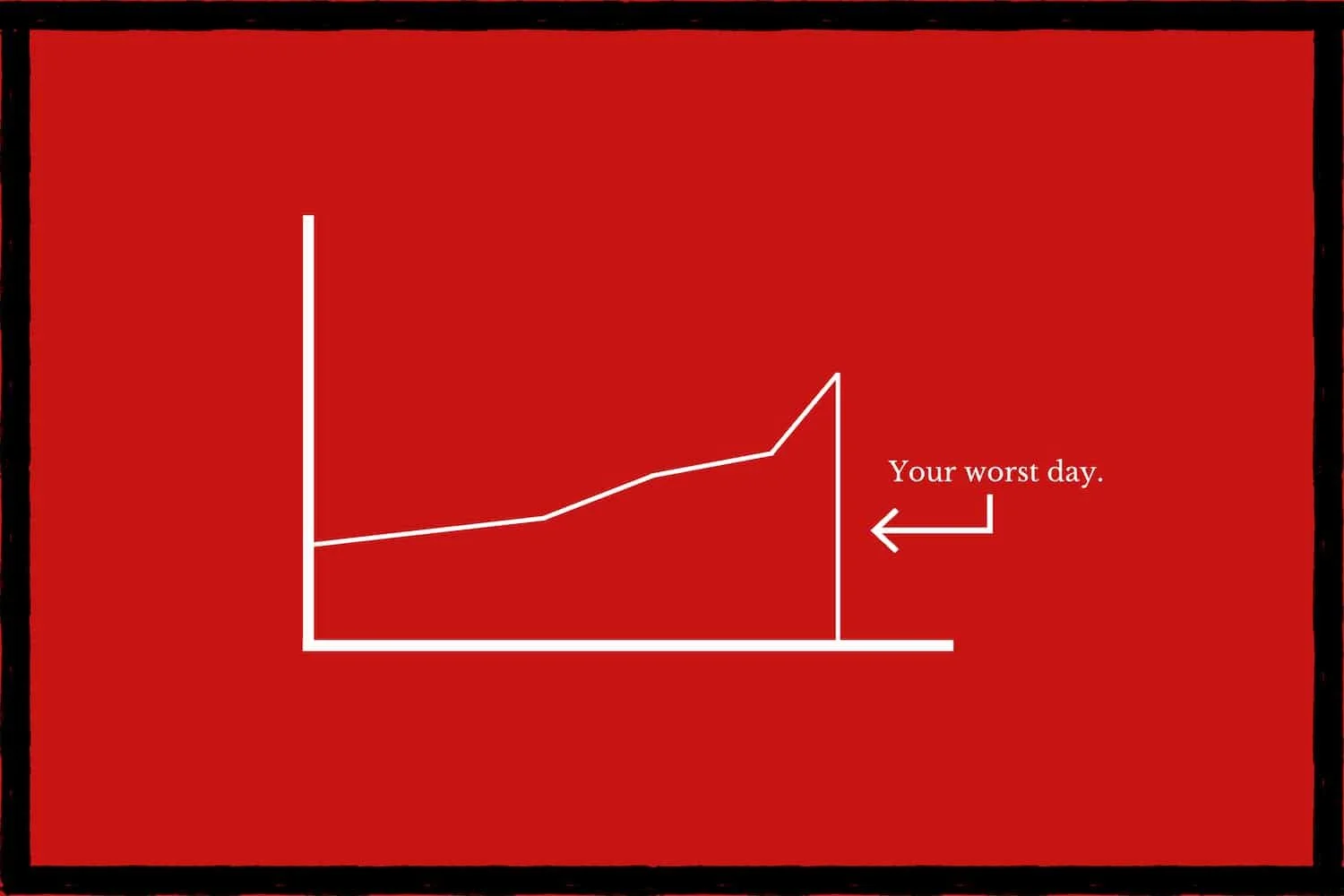
Read MoreMost people want to talk about their best day. The day they made a bunch of money, launched their business, or replaced their income with their side hustle. And it’s incredibly important to celebrate these victories. But what these winners don’t talk about is what they did on their worst day. This is the day that matters the most because their story didn’t end. They survived to keep playing the game.
Read MoreTake a moment and think about the last three products (or services) you bought that you were really pleased with - either physical or digital. Now, think of all the pleasure and joy you’ve gotten out of your products. Ask yourself: would you have paid 5% more for any of these products you’ve enjoyed? How about 10% more? For me, the answer is yes. If the answer is yes for you, then you, the customer, is the winner of all these sales transactions! In ethical sales, the customer is the biggest winner.
Read MoreFear destroys your endeavors far more effectively than anything else. Fear of failure, fear of embarrassment, fear of the unknown - all of these stops you before you even begin. Here are a few ideas on how to conquer fear from those who have done it before you.
Read MoreSimple and obvious rules of thumb are powerful. Do they always work? Of course not, but they work most of the time in most situations. Nassim Nicholas Taleb writes in his book, Antifragile: Things That Gain from Disorder, about this “Less is more” idea. Simple ideas are not perfect, but they are not meant to be. They are “fast and frugal,” designed to “make good decisions despite limited time, knowledge, and computing power.”
Read MoreThere are two reasons why someone may never create anything of their own: 1) They never begin because they don’t feel “ready.” 2) They never finish because the thing they are making is never “done.” You can solve the first problem by accepting that you will never, ever finish learning, and therefore a state of complete “readiness” does not exist. And you can solve the second problem with “Satisficing” - delivering the minimum viable version of the thing you’re creating.
Read MoreStress is not always bad for the organism experiencing it. Trees, for example, get stronger when the wind blows them around. They grow a special kind of stress wood in their load-bearing trunk that can help move and position them for optimal light. The wind stressor helps them reach full maturity. When stress makes an organism more robust, it’s called hormesis.
Read More